What Is Rotary Punch Technology? 4–6× Faster Than Conventional Press Lines
How Does Rotary Punch Work?
On conventional eccentric press lines the sheet stops at every stroke, the die comes down, the sheet is advanced one step and the cycle starts again. It is this stop-and-go motion that sets the speed of the line.
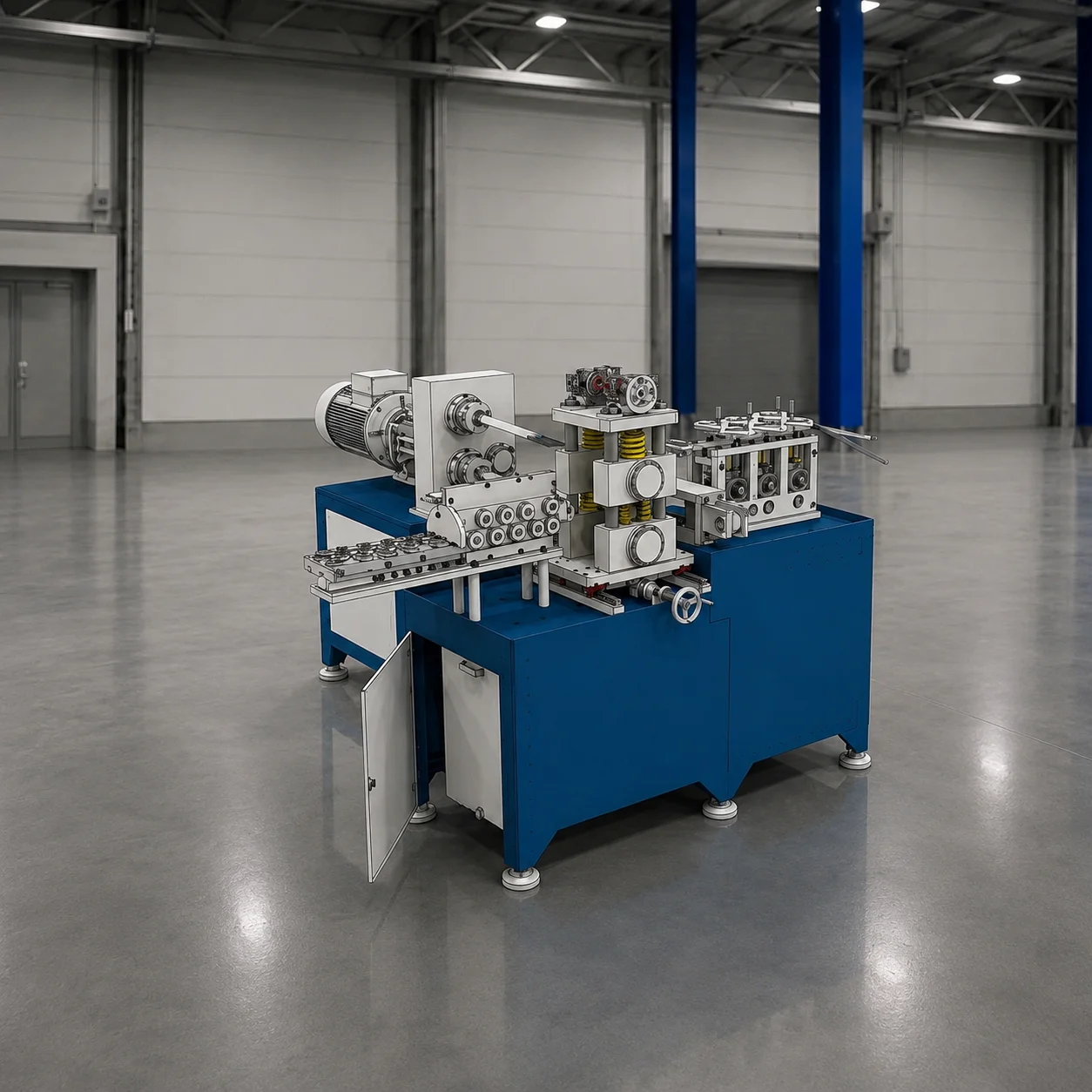
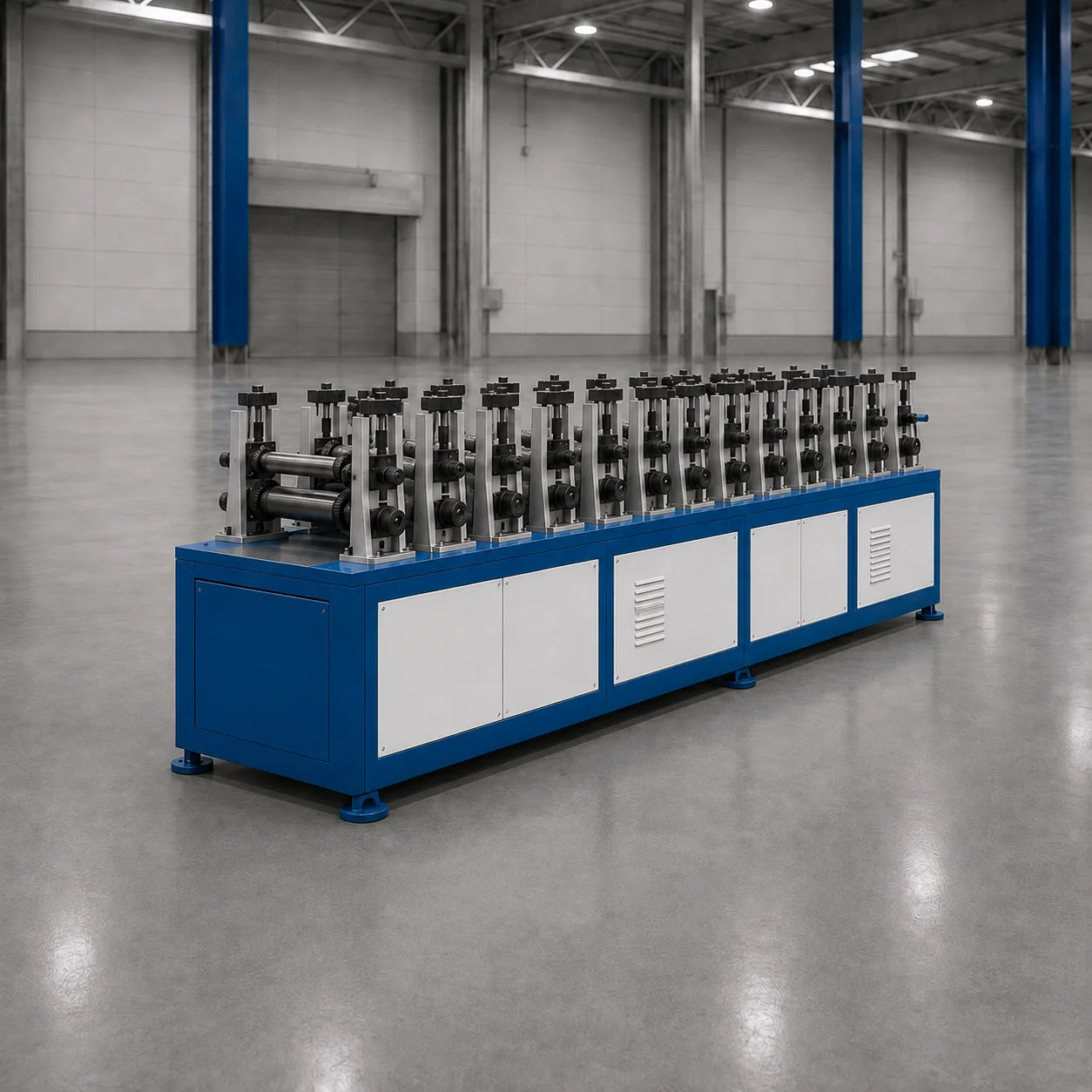
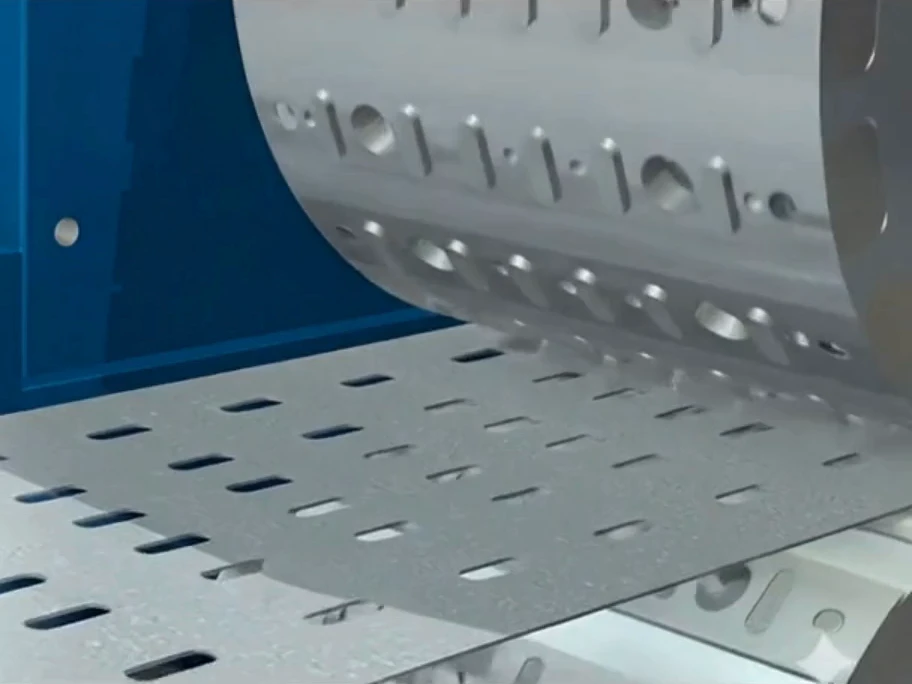
In Rotary Punch technology the punches and dies are mounted on two counter-rotating drums. The sheet is punched or cut as it passes between the drums without stopping. While punching, the drums also drive the sheet forward, so no separate feeding unit is needed. The drive is an AC motor and speed drive.
4–6 Times Faster Than Press Lines
In cable tray production, press lines run at 4.8–7.5 metres per minute, while a Rotary Punch line reaches 24 metres per minute — 4–6 times more output. One Rotary Punch line does the work of about 4 press lines, so the same output is reached with fewer machines, less floor space and fewer operators.
Up to 80% Energy Savings
With no impact or stop-and-go motion, energy consumption drops markedly. In cable tray production, press lines use 0.8–1.2 kWh per metre, while a Rotary Punch line uses 0.16–0.25 kWh. On the wheel weight line, 100,000 pieces of 5 g (about 500 kg) are cut with only 1.37 kWh of energy.
Quiet Operation and Low Maintenance Cost
The circular motion eliminates the impact and vibration of press lines. The machines run quietly and can even be installed on mezzanines without heavy foundations. Maintenance costs are up to 75% lower than on press lines.
Punches and dies are made of 1.2379 (D2) tool steel hardened to 58–60 HRC. The blades can be removed and fitted one by one with set screws and, with a 6 mm regrinding allowance, last a long time.
Applications
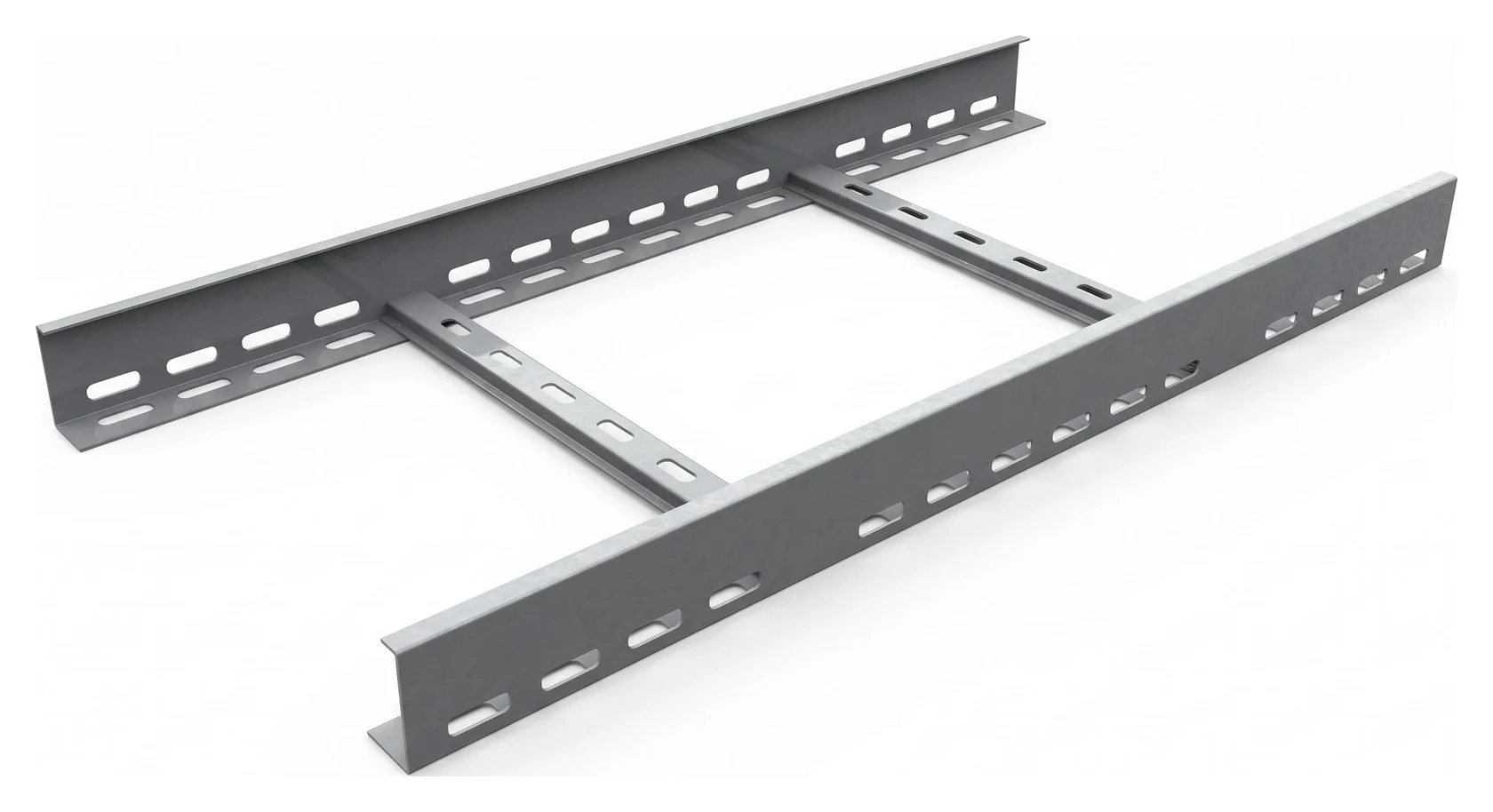
- Perforated cable trays
- Wheel weights
- DIN rails
- Rubber profile support plates and metal clips
- Omega ventilation profiles
YILSA developed Rotary Punch technology through R&D work in 2013–2014. The technology is protected by one examined patent and one utility model.