
Wheel Weight Production Line
From Wire Rod to Box: Full Automation in 3 Steps
A fully integrated production line that turns standard wire rod from coils into packaged, ready-to-sell products with a weight tolerance of ±0.5 g. It offers high speed, minimal scrap and low raw material cost.
Step-by-Step Production Method
The Wheel Weight Production Line is a fully automatic production setup that turns raw wire rod into boxed, ready-to-sell wheel weights untouched by hand. The process starts with flattening the wire rod into flat strip, continues with cutting and marking using patented Rotary Punch technology, and ends with automatic taping and packaging.
Key Engineering Parameters
- Turning standard Ø8 mm wire rod into precise 11.5 × 3 mm flat strip
- Zero scrap and ±0.5 gram weight tolerance with patented Rotary Punch cutting technology
- Ready-to-ship output with automatic double-sided taping, accurate counting and 6 kg boxing
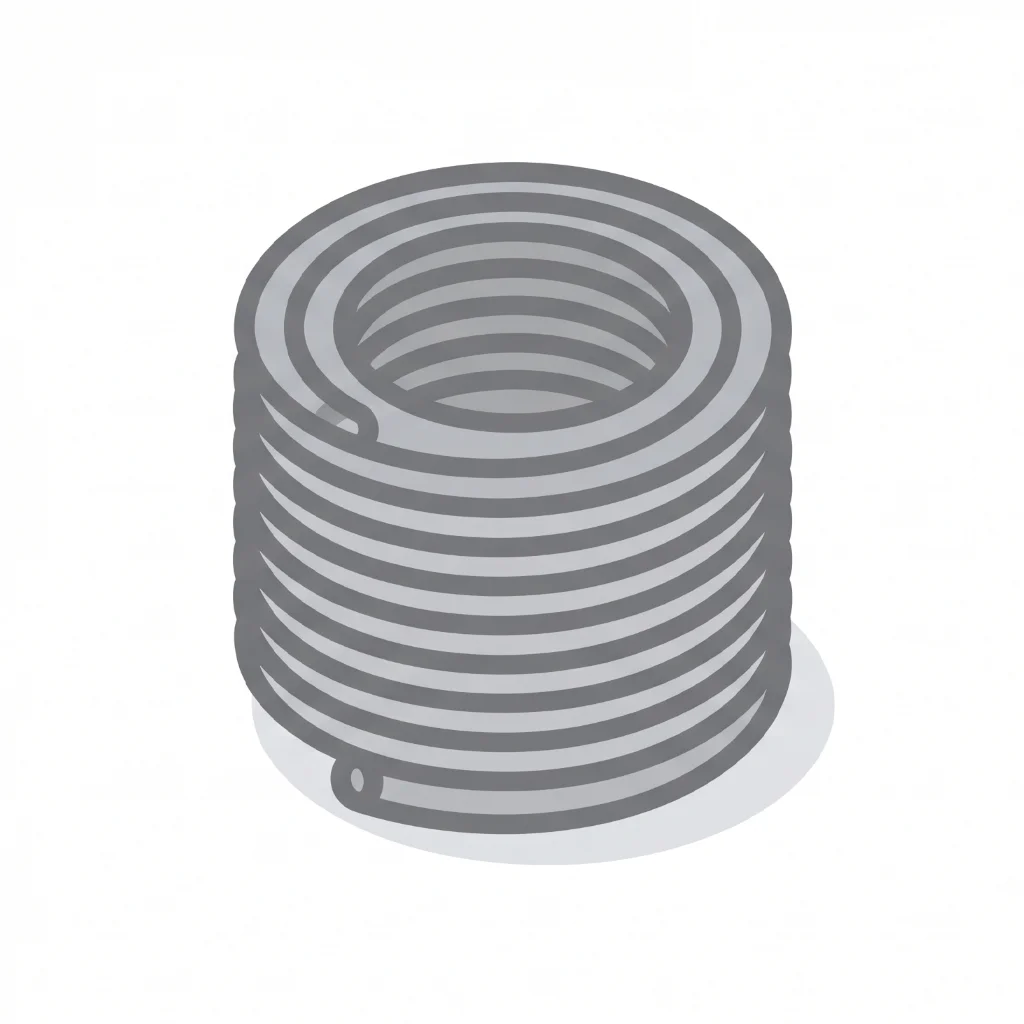
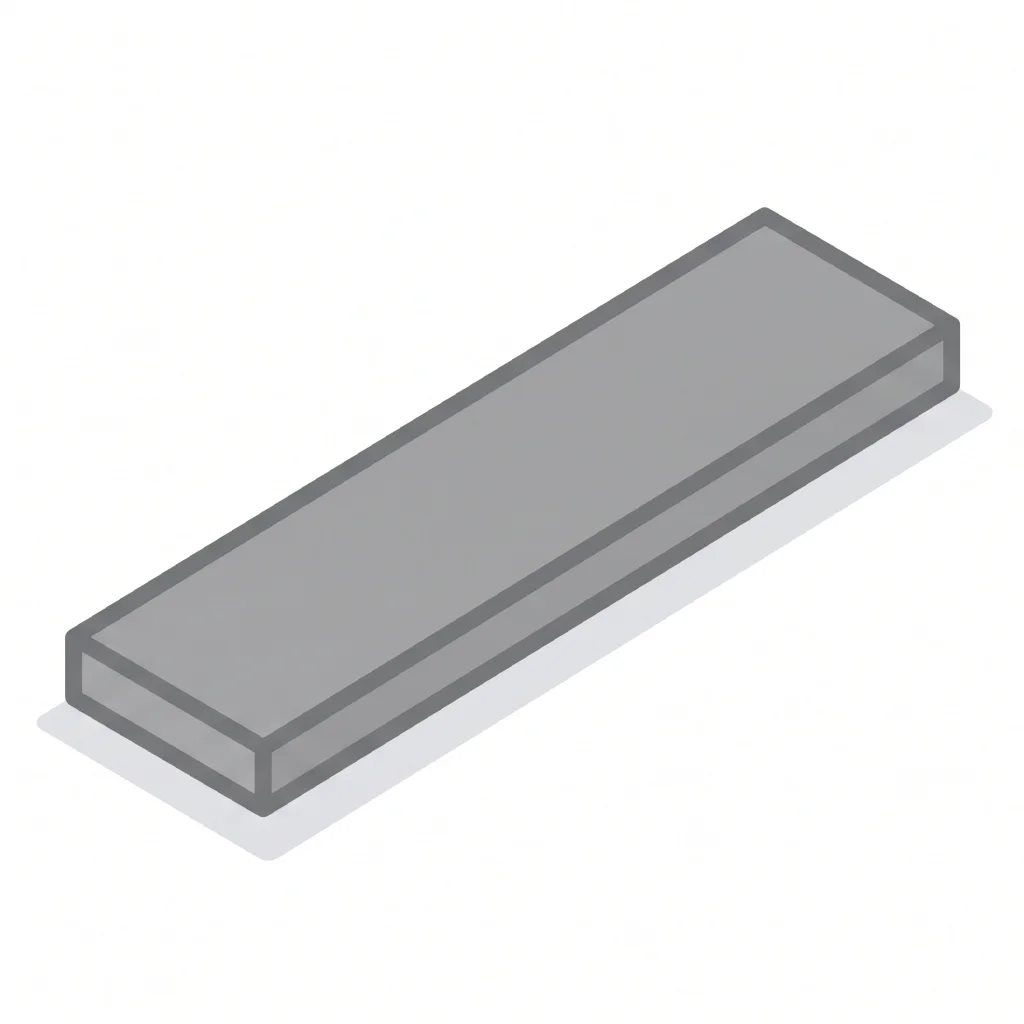
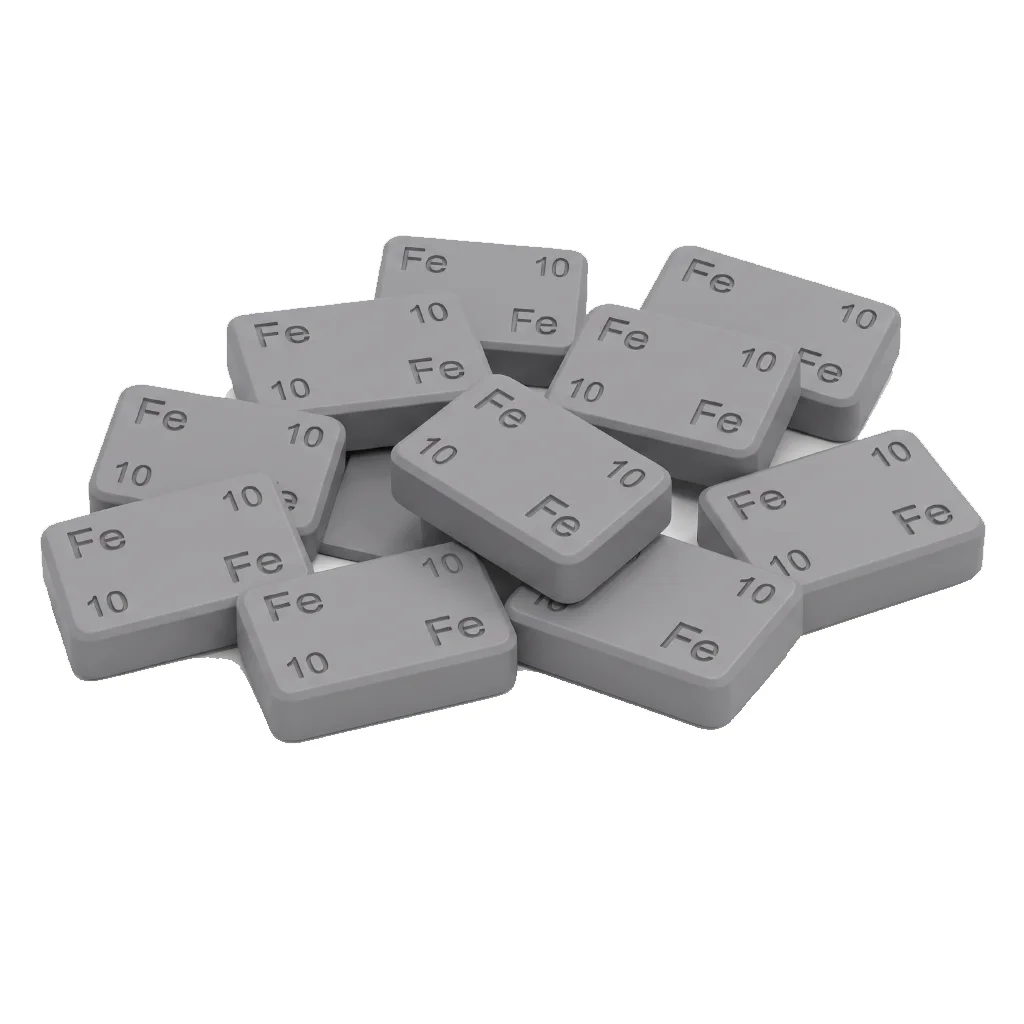
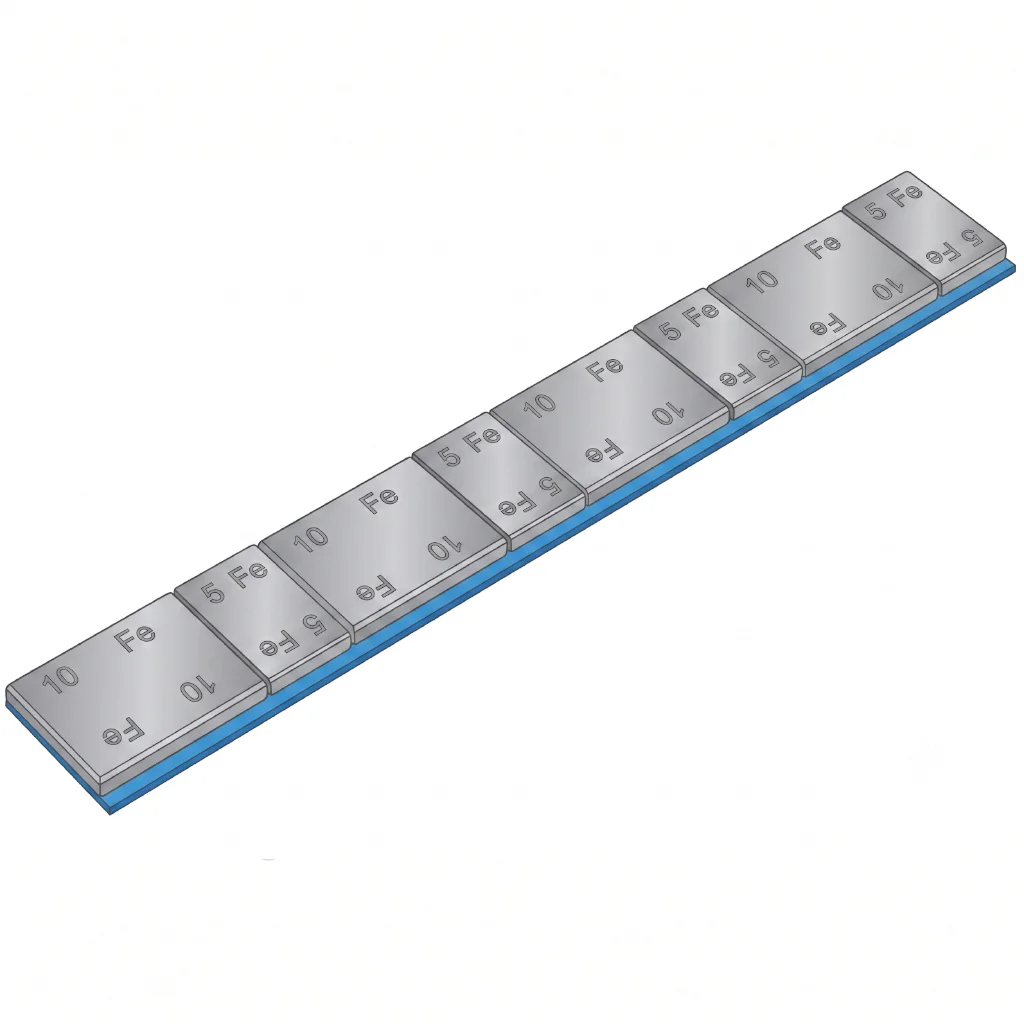
"An integrated line that produces 60,000 scrap-free wheel weights per hour with ±0.5 g tolerance from raw Ø8 mm wire rod, with 40% raw material savings."
Wire Rod Flattening
Rotary Punch Chopping and Marking
Packaging and Taping
Wheel Weight Production Line from Wire Rod to Box: Engineering and Process Analysis
The YILSA Wheel Weight Production Line is a fully automatic, integrated industrial manufacturing setup that turns raw wire rod into boxed, ready-to-sell wheel weights untouched by hand. The process starts by running standard Ø8 mm steel wire rod, easy to find on the market, through the wire flattening machine — removing the need to buy strip from outside suppliers and giving net savings of up to 40% in raw material unit costs.
At the heart of the line, the patented press-less Rotary Punch technology eliminates the impact, noise and high energy consumption of conventional eccentric and hydraulic presses and continuously forms up to 60,000 wheel weight segments per hour.
Production Precision & Line Architecture
The wire flattening machine turns low-carbon Ø8 mm SAE 1006 / 1008 wire rod into flat strip of 11.5 x 3.0 mm. Running at 16 m/min with an 11 kW AC motor and a Delta speed control drive, the unit feeds the flattened strip directly into the Rotary Punch cutting machine, so there is no need to buy ready-made strip from outside.
Material Tolerances & Quality Control
The Rotary Punch cutting process, carried out without stopping as the strip moves forward, works without impact. The weights are cut scrap-free and burr-free with ±0.5 gram tolerance on a 60 g strip, while the brand logo, the "Fe" mark and the weight are cold-stamped at the same time. The system offers a production capacity of 60,000 pieces per hour and uses only 1.37 kWh of energy per 100,000 pieces.
Automation Integration & Packaging
The cut segments are placed on double-sided tape with acrylic adhesive and a blue protective film to form 60 g strips. The packaging unit connected to the taping machine automatically places the strips into boxes of 100 strips (6 kg net weight). One taping machine packs 90 kg (15 boxes) per hour; to increase capacity, up to 4 taping machines can be connected to the same cutting machine without needing a new one. Depending on the configuration, the line is delivered within 2.5–4 months of order confirmation.
Machines in the Line
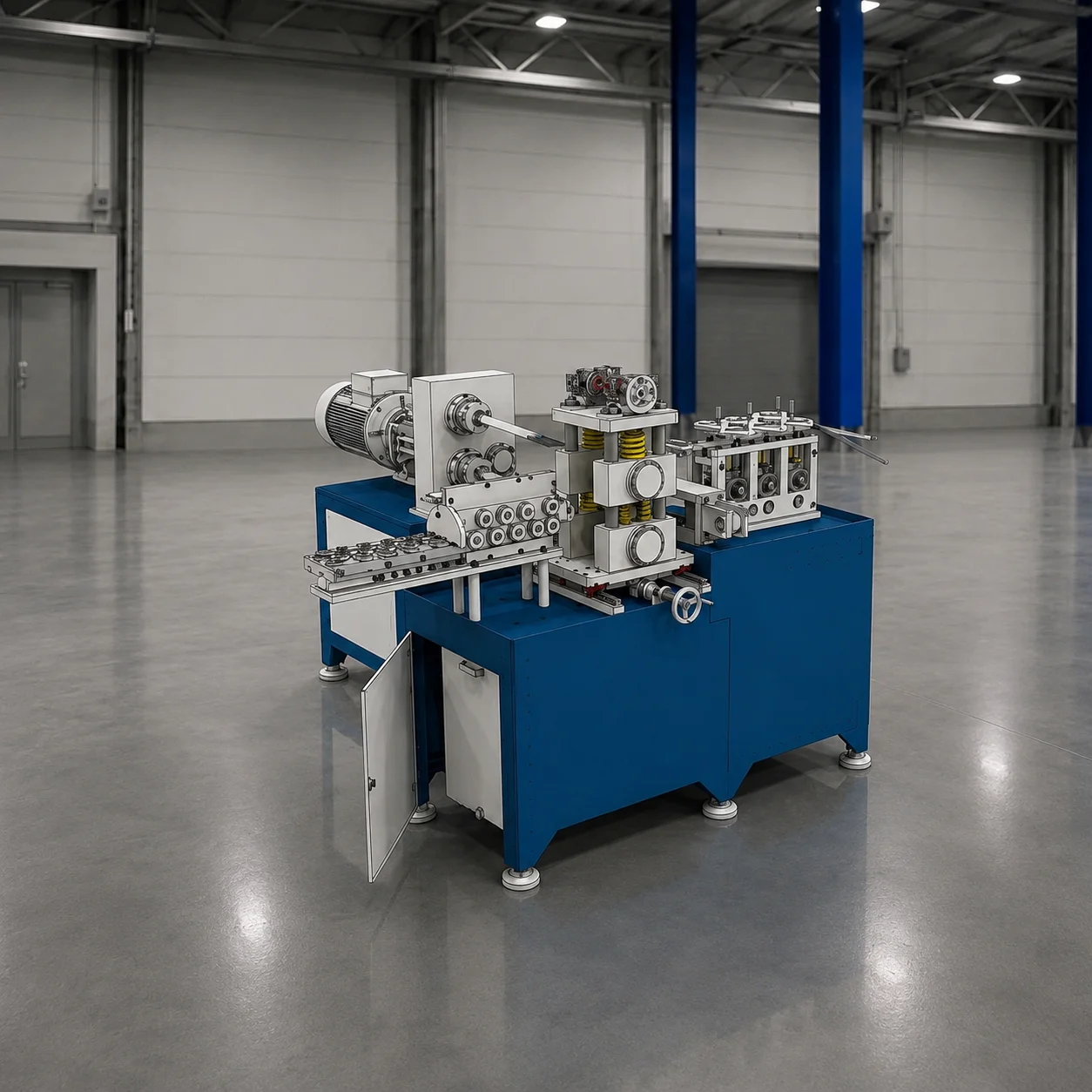
Wire Rod Flattening
High-Precision Flat Strip Forming Unit
Turns Ø8 mm wire rod from coils into 11.5x3 mm flat strip by passing it through flattening dies. No need to buy ready-made strip, with raw material savings of up to 40%.
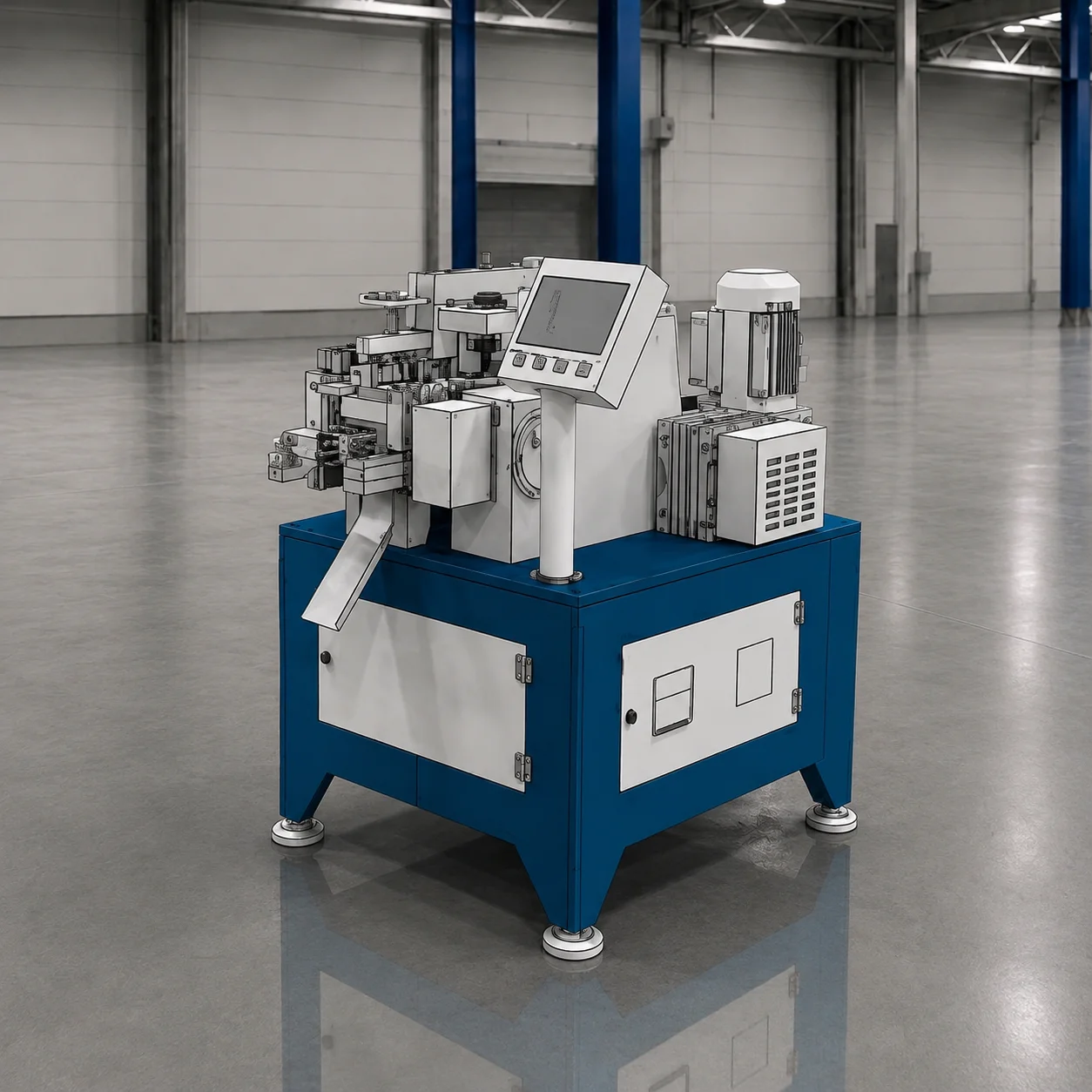
Rotary Punch Chopping and Marking
Patented Rotary Punch Chopping and Marking System
Cuts continuously moving flat strip without stopping it, using twin-drum rotary die technology, and stamps the weight and logo on it. Works with zero scrap.
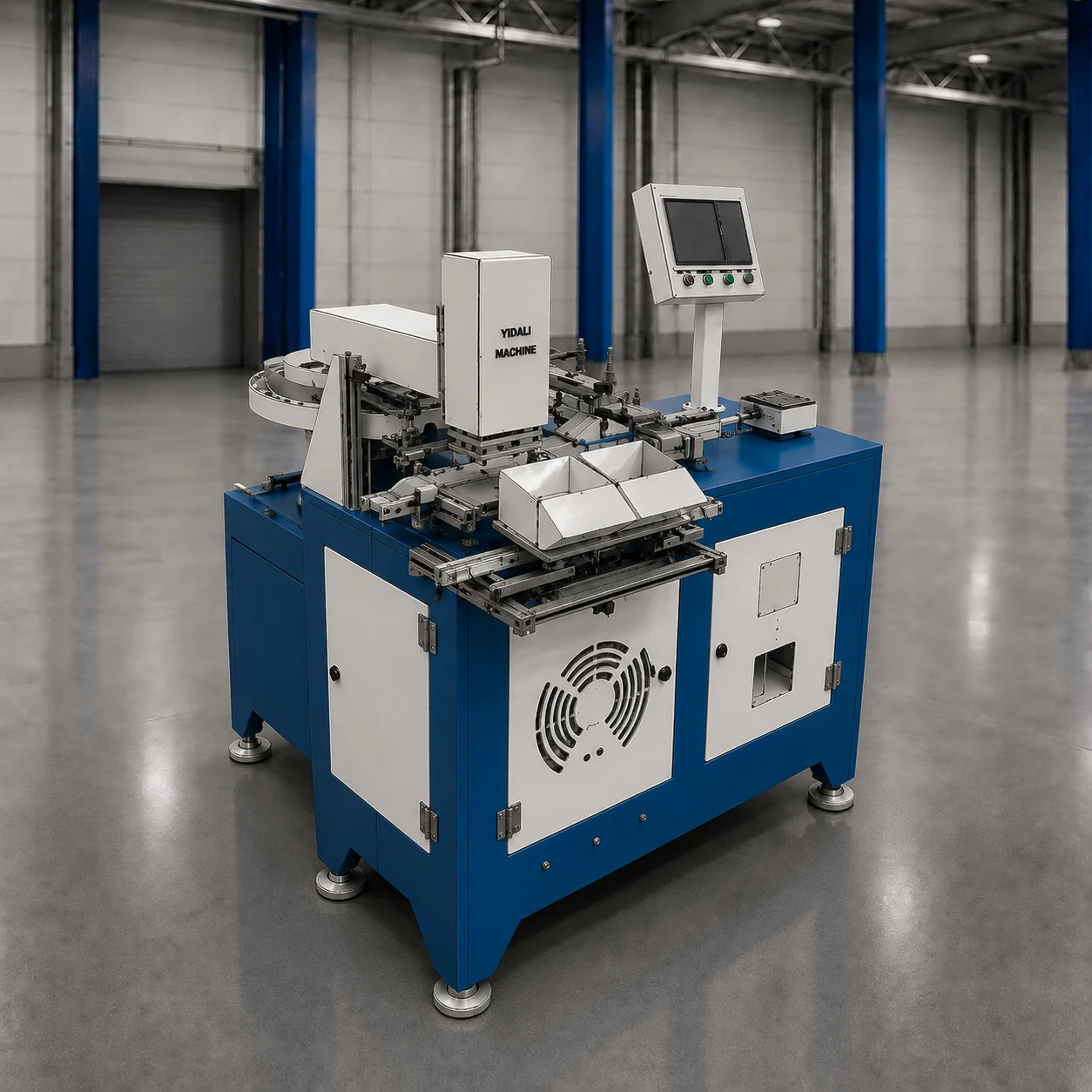
Packaging and Taping
Automatic Taping and Integrated Packaging Unit
Places the wheel weights from the Rotary Punch cutter, untouched by hand, onto high-adhesion double-sided tape; the packaging unit at the machine outlet puts the strips into 6 kg boxes.